ADU Electrical Requirements: Your Clark County Guide
You’ve finalized the floor plan for your new ADU. The finishes are picked out, the contractor is lined up, and you can already imagine enjoying that new space. But in all the excitement, have you considered the single most critical system that will bring it to life? I’m talking about the electrical system—the central nervous system of your new dwelling. Getting the power right isn’t just a matter of convenience; it’s a fundamental issue of safety, legality, and functionality. Here in Clark County, understanding the specific ADU electrical requirements is the difference between a smooth project and a costly, frustrating ordeal.
Many homeowners underestimate what it takes to properly power an Accessory Dwelling Unit. It’s far more complex than just running a heavy-duty extension cord from the main house. This guide is here to demystify the process. We’ll walk through the critical decisions, the technical details, and the local codes you absolutely must know to get your project across the finish line successfully.
First Things First: Why ADU Electrical is a Big Deal
An ADU is not a shed or a simple room addition. It’s a separate, self-sufficient home. It has its own kitchen, bathroom, laundry, and HVAC system. Each of these components places a significant demand on an electrical service. Your main home’s electrical panel was likely sized only for its own needs, not for a whole second dwelling next door.
Attempting to simply tap into existing circuits is not only a code violation but also incredibly dangerous. It can lead to overloaded circuits, tripped breakers, and, in the worst-case scenario, electrical fires. That’s why Clark County, following the National Electrical Code (NEC) with its own local amendments, has stringent rules in place. These regulations ensure that your ADU is powered safely and has enough capacity for modern living, both now and in the future.
The Core Decision: Subpanel vs. Separate Meter
When powering your ADU, you have two primary paths to choose from. This is one of the first and most important decisions you’ll make with your electrician, as it impacts cost, functionality, and long-term utility management.
Option 1: Adding a Subpanel from the Main House
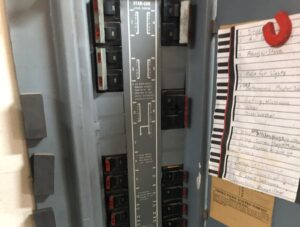
This is the most common approach. In this setup, your electrician runs a large feeder line from your main house’s electrical panel to a new, smaller panel (a subpanel) inside the ADU. This subpanel then distributes power to all the circuits within the ADU.
- Pros: Generally, this is the less expensive and quicker option upfront. You’ll continue to receive a single power bill from NV Energy, which simplifies things if you aren’t renting the unit out separately.
- Cons: This is only viable if your main home’s electrical service has enough spare capacity. If you have a 100-amp main panel, adding an ADU is almost certainly out of the question without a costly service upgrade. We typically find that a 200-amp main service is the minimum needed to comfortably support an ADU. You also can’t easily bill a tenant for their specific electricity usage.
Option 2: Installing a Completely Separate Electrical Service
The second route involves establishing a brand-new, independent electrical service for the ADU. This means a second meter, a second panel, and a second account with NV Energy.
- Pros: The ADU’s power is completely independent of the main house. This is the gold standard for rental units, as it allows for separate, direct billing. It also eliminates any concerns about overloading your home’s existing service.
- Cons: The initial cost is significantly higher. It involves more extensive trenching, coordination with the utility company to bring a new service line to the property, and the installation of a new meter base.
Calculating the Load: Understanding Your Power Needs
How do you know if your main panel has enough capacity or what size subpanel you need? You can’t guess. The answer lies in a “load calculation,” a mandatory step in meeting Clark County’s ADU electrical requirements. A licensed electrician performs this calculation based on Article 220 of the NEC.
This process inventories all the electrical demands of the ADU, including:
- General Lighting and Outlets: Based on the square footage of the unit.
- Major Appliances: Electric range, cooktop, wall oven, and dryer are huge power draws.
- HVAC System: The size and type of your heating and air conditioning unit are critical factors.
- Water Heater: An electric tankless water heater can require a massive amount of power.
- Future Considerations: Will you or a tenant want an EV charger? A hot tub? These need to be planned for.
A typical 500-square-foot studio with a kitchenette and a mini-split might require a 60-amp subpanel. A larger 1,000-square-foot ADU with a full kitchen, laundry, and central air could easily need a 100-amp or 125-amp service. Only a proper load calculation can determine the exact need.
Key Clark County ADU Electrical Requirements & Codes
While your electrician will handle the technical specifics, being an informed homeowner helps the process go smoothly. Here are some key code requirements you’ll encounter during your project.
Trenching and Conduit
If you’re running a feeder line from the house to the ADU, it must be buried. The depth of the trench is dictated by code, typically 18 to 24 inches, to protect the wiring from damage. The wires themselves must be run inside approved electrical conduit, like Schedule 40 or Schedule 80 PVC.
AFCI and GFCI Protection
Modern electrical codes are all about safety. You’ll need two types of protective outlets/breakers:
- GFCI (Ground Fault Circuit Interrupter): Protects against electric shock in damp locations. Required for all kitchen countertop outlets, bathrooms, garages, and any outdoor receptacles.
- AFCI (Arc-Fault Circuit Interrupter): Protects against fire by detecting dangerous electrical arcs in wiring. Required for circuits in almost all living areas, including bedrooms, living rooms, closets, and hallways.
Dedicated Circuits
You can’t just plug everything into the nearest outlet. Certain high-draw appliances must have their own dedicated circuit to prevent overloads. This includes the refrigerator, microwave, dishwasher, garbage disposal, washer, and dryer, as well as the HVAC system and water heater.
Common Pitfalls and Pro Tips to Avoid Them
Over the years, we’ve seen homeowners make the same costly mistakes. Here’s how to avoid them.
Pitfall #1: Underestimating Future Needs.
The biggest mistake is sizing your system for your needs *today*. What about five years from now? The rise of electric vehicles is a perfect example. If there’s even a slight chance you’ll need an EV charger, run the conduit for it now while the trench is open. It costs a few extra dollars during construction versus thousands to dig everything up again later.
Pitfall #2: Trying to DIY Electrical Work.
While it can be tempting to save money, electrical work is not the place to do it. The safety risks are immense, and you are virtually guaranteed to fail the county inspection. We’ve been called to fix DIY jobs that required tearing out brand-new drywall. The cost to fix mistakes is always far higher than the cost to hire a qualified, licensed electrician from the start.
Pro-Tip: Involve Your Electrician Early.
Don’t wait until the walls are framed to talk to an electrician. Bring them into the planning phase. They can review your ADU plans, perform an early load calculation, and help you make the crucial subpanel vs. separate meter decision. This foresight can save you thousands and prevent major design changes down the road.
Powering Your Project for Success
Building an ADU is an exciting investment in your property. Ensuring it’s powered correctly is the foundation of that investment. It all comes down to a few key principles: assess your main service capacity, make an informed decision between a subpanel and a separate service, insist on a formal load calculation, and always work with a licensed professional who knows Clark County’s codes inside and out.
By prioritizing the ADU electrical requirements from day one, you’re not just aiming to pass an inspection—you’re building a safe, functional, and valuable addition to your home that will serve you well for decades.
Ready to get a clear plan for your ADU’s electrical system? Contact us today for a consultation. We’ll help you navigate the Clark County requirements and ensure your project is safe, compliant, and powered for the future.